VPN Best Practices for Trust Wallet Users
trustwallet钱包最新版本下载 2026年6月11日 08:04:32 trustwallet官网
VPN Best Practices for Trust Wallet Users
Using a VPN with Trust Wallet isn’t just about hiding your IP address. It’s about balancing privacy with wallet functionality. I’ve seen users lose access to dApps because their VPN routed traffic through a blocked country. The trick is choosing a server location that doesn’t interfere with blockchain services. Stick to regions where crypto is unrestricted, like Switzerland or Singapore. Trust Wallet itself doesn’t block VPNs,but some decentralized exchanges running on it might hesitate if your traffic looks suspicious.
Latency is a real headache when you’re trying to catch a fast token swap. A VPN adds extra hopsThe nuances of VPN application for Trust Wallet users, and that split second delay can cost you. I recommend using a protocol like WireGuard for lower overhead. Also,test your connection speed before jumping into a transaction. You don’t want to confirm a swap at a price that’s already outdated. Keep your VPN on a server close to your actual location for minimal lag.
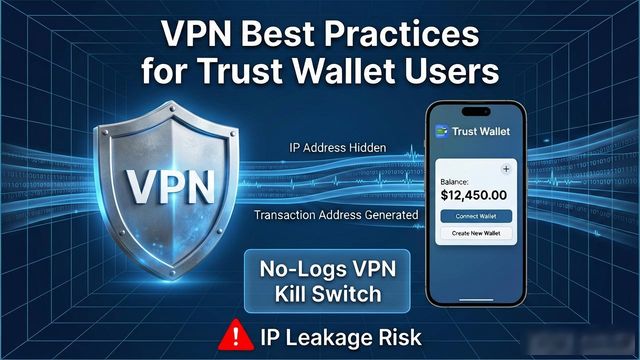
Privacy features matter more than you think. A no-logs VPN paired with a kill switch is essential. If your VPN drops and your real IP leaks, your wallet activity becomes traceable. I’ve seen users get doxxed because of this. Trust Wallet generates new addresses per transaction, but your IP can still link multiple trades together. Use a VPN that doesn’t store logs and has a proven track record in security audits.
Some VPNs block Web3 traffic entirely. I’ve tested several providers, and not all of them let you connect to Ethereum or Binance Smart Chain nodes. If your VPN blocks port 443 or uses aggressive packet inspection,your wallet won’t sync. Before committingVPN Best Practices for Trust Wallet Users, run a quick test: open Trust Wallet with the VPN on and see if your balances load. If they don’t, switch to a provider that supports crypto traffic.
Mobile users face a unique challenge. Trust Wallet runs on your phone, and many mobile VPNs drain battery or throttle data. Look for a lightweight app that doesn’t nag you with ads. Also, remember that mobile IPs are often recycled by carriers. A VPN ensures you’re not sharing an IP with someone flagged for malicious activity. Keep your VPN on during idle times too, not just during transactions.